Bank of Russia shortlists BTC, ETH and USDT for public trading
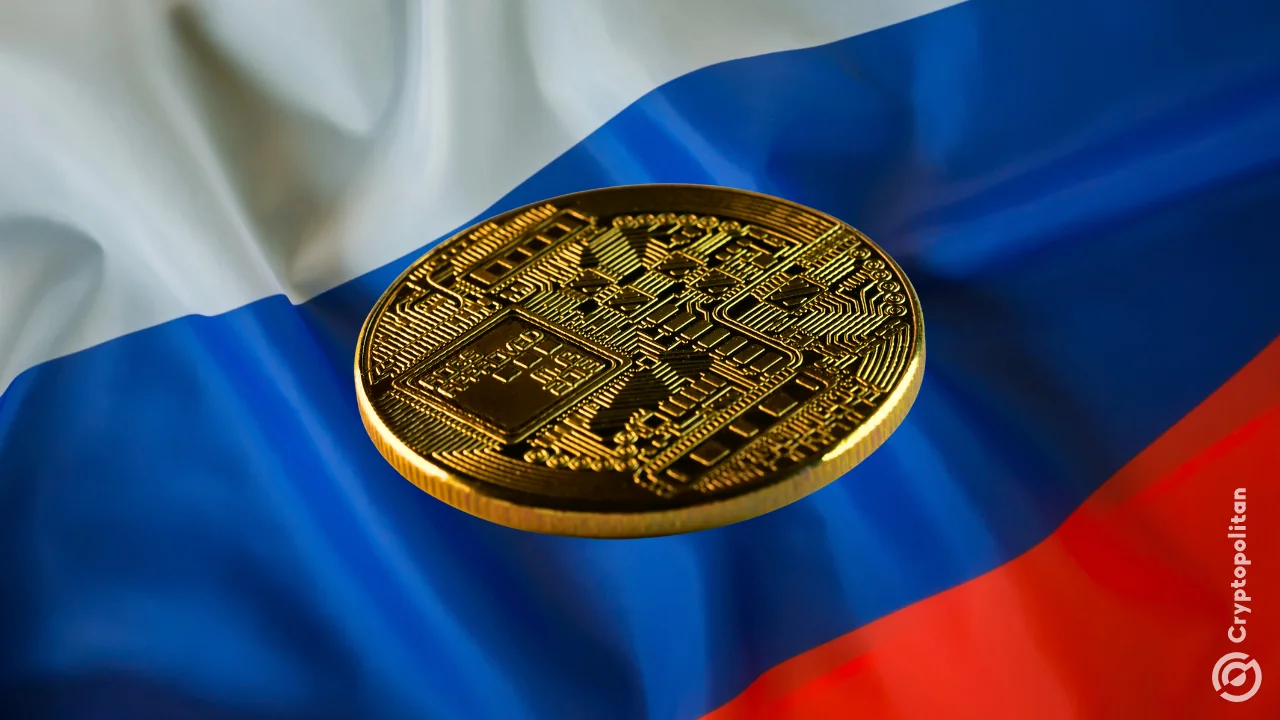
The Bank of Russia has officially approved three major cryptocurrencies – Bitcoin, Ethereum and Tether – for public trading in the country.
The coins will be available to non-professional investors, the regulator said, adding that licensed exchanges may start listing them later this month.
Russians permitted to buy BTC, ETH and USDT
The Central Bank of Russia (CBR) has finally defined the digital assets that even “non-qualified” retail investors will be free to acquire and sell legally.
These are the three cryptocurrencies with the largest market capitalization – Bitcoin (BTC), Ethereum (ETH) and the U.S. dollar-pegged stablecoin Tether (USDT).
Authorized trading platforms will be able to offer the top coins as soon as the bank’s respective directive comes into effect on November 17, local media reports revealed.
In a press release, quoted by the business information portal RBC, the Russian edition of Forbes, and other news outlets, the monetary authority announced on Friday:
“Non-qualified investors will be able to purchase cryptocurrencies through various intermediaries – such as brokers, asset managers, or crypto exchanges – in both exchange and over-the-counter (OTC) markets.”
The regulator reminded, however, that such purchases are limited to a total of 300,000 rubles a year per single intermediary, or less than $3,700 at the current exchange rate.
“Only the most liquid assets, meeting the criteria specified by the law, have been included in the list,” the Bank of Russia emphasized in a statement posted on its website.
Besides market cap, average daily trading volume and the assets’ price history on international platforms were also taken into account in the selection process, the CBR noted.
When it first indicated it was going to greenlight the three cryptos in August, the CBR highlighted that coins’ trading history must span at least five years prior to admission to the Russian market.
In order to be approved for regulated trading, a digital asset’s capitalization must have exceeded an average of 5 trillion rubles (over $60 billion) over the past two years.
And its average daily trading volume should be above 1 trillion Russian rubles for the same period (more than $12 billion), as previously reported by Cryptopolitan.
This approach is intended to mitigate risks for non-qualified investors putting money in crypto assets, Russia’s main financial regulator argued as it made the shortlist official.
The bank also stressed that all investors, regardless of status, must acquaint themselves with the risks associated with crypto investing and pass a test designed to verify their awareness.
Russia prepares to launch its regulated crypto market
Under increasing pressure from Western sanctions, restricting its access to traditional finance, Russia significantly softened its stance on cryptocurrencies over the past couple of years.
After its central bank permitted the offering of crypto derivatives in the spring of 2025, its parliament adopted a comprehensive regulatory framework in the summer of 2026, which legalized investment and trading, among other activities.
The new law “On digital currencies and digital rights,” which entered into force on the first day of September, grants professional participants almost unrestricted access to the market.
“Non-qualified” investors – the majority of ordinary Russian citizens – will be able to buy only the most liquid coins. Testing and assessment standards for both categories were developed recently.
The legislation introduces a licensing regime for cryptocurrency exchanges and digital depositories. To be legal, all transactions must be processed by CBR-authorized trading and custodial platforms.
This is resulting in a closely regulated and strictly controlled market, as mainly big players, like Russia’s majority state-owned banks and largest stock exchanges, will be able to meet the requirements.
And those are ready to tap into crypto profits. The Moscow Exchange and the giant Sberbank announced plans to launch coin trading on December 1, with others set to follow them soon.
They are among about two dozen organizations already registered by the Bank of Russia as providers of crypto trading and custodial services. A number of these entities, traditional and fintech, are sanctioned.
This story was originally published by Cryptopolitan. Read the original article.