Brazil's biggest banks pick a shared stablecoin over rivals' tokens
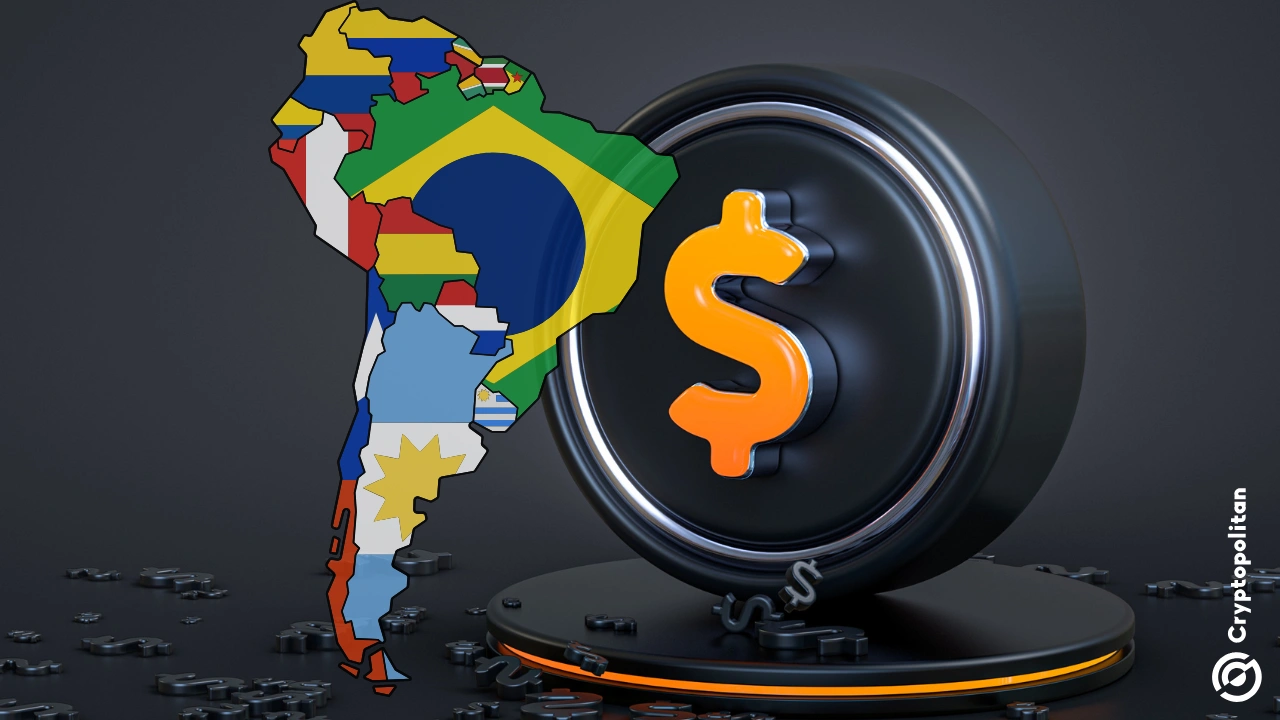
Brazil’s six biggest financial firms have agreed to back one shared real-linked digital coin called Open BRL, to be issued by Banco B3.
The coin is meant to give the banks a neutral way to settle payments with each other, and it is targeted to launch in the first quarter of 2027.
What is Open BRL?
Open BRL is a stablecoin worth one Brazilian real. Bradesco, BTG Pactual, Itaú Unibanco, Safra, Santander and XP are working with the stock exchange operator B3 to launch the stablecoin. Each company is helping to pay for the platform, and they will also use the coin in their own digital asset plans.
Luiz Masagão, B3’s vice president of products, said that the talks began about three months ago after the banks realized it would be awkward to settle trades using a digital currency made by a competitor. Even after the Open BRL is launched, each bank will still be able to create its own tokens for internal use.
Banco B3, the exchange’s banking arm, will issue the coin and hold the money behind it. While B3 runs the technology, a committee made up of the partner firms will set the rules, the technical standards and the pricing.
The coin is not only for payments. B3 plans to use it to move traditional securities, such as stocks, onto blockchains. Buyers could hand over money and receive the asset in the same transaction. Smart contracts would handle the preset steps.
B3 also plans to start trading tokenized shares in the same place as regular stocks by early 2027. A B3 Executive, Humberto Costa, said in October that trades will still be finalized using the current two-day cycle.
Masagão said the group wants Open BRL to eventually be open to the whole Brazilian financial market, and as more firms join, the partners may set up a separate company to run it.
B3 first proposed a real-backed stablecoin in December 2025 under the name B3RL, with a 2026 launch tied to government bonds, but the plan was never executed.
Have others tried issuing joint stablecoins before?
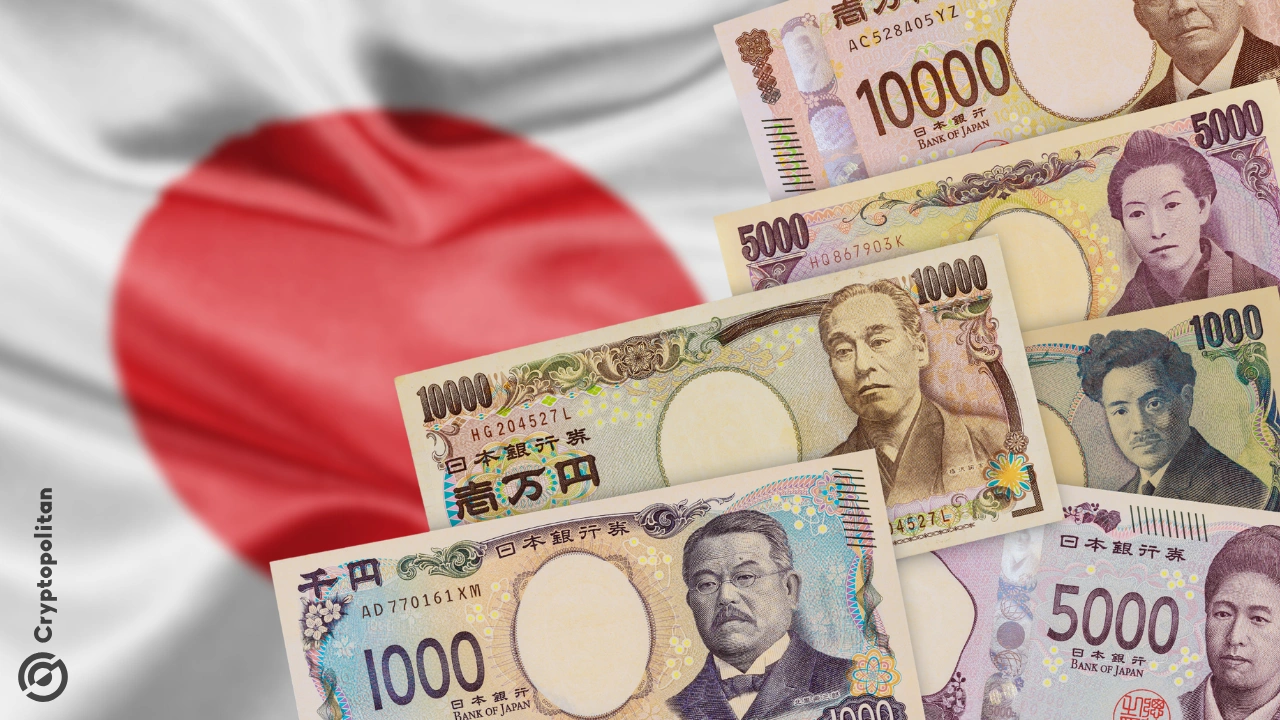
MUFG Bank, Mizuho Bank and Sumitomo Mitsui Banking Corporation, three of Japan’s largest lenders, are teaming up to create a yen-linked digital coin. In June, they said the coin will be available to use for actual business payments before the end of Japan’s financial year in March 2027. Cryptopolitan reported that together the three banks manage about $6.8 trillion in assets.
Bank of Japan Executive Director Kazushige Kamiyama raised the idea behind the joint initiative on Friday at an IMF seminar in Tokyo. He talked about the “singleness of money,” meaning every form of a currency should swap into every other form at full face value.
Kazushige acknowledged that banks already share central bank reserves for ordinary deposits, but his view is that stablecoins need close links to central bank money to keep the same confidence.
In Europe, a group called Qivalis is building a euro stablecoin that follows the EU’s MiCA crypto rules. In May, ING, one of the project’s backers, said that 25 more banks had joined the initiative, bringing the total to 37.
The core group initially included about a dozen lenders, among them BBVA, BNP Paribas, UniCredit and CaixaBank, per reports.
Open BRL enters a market where stablecoins already dominate crypto, but mostly dollar-linked ones. Brazil’s tax authority, Receita Federal, estimated in a July report that stablecoins made up about 80% of declared crypto trading volume in 2025.
Of roughly $205 billion in stablecoin transactions reported between August 2019 and December 2025, Tether’s USDT made up 88.7%. USDC made up 7.1%, and the real-backed BRZ made up just 3.4%.
Regardless, crypto use in Latin America is steadily growing. A study by ChangeNOW, reported by Cryptopolitan, found that people in the region made $730 billion in blockchain transactions in 2025, a 76% rise from the year before. Brazil had the most, at $319 billion.
This story was originally published by Cryptopolitan. Read the original article.