FATF calls crypto a core laundering channel for scam compounds
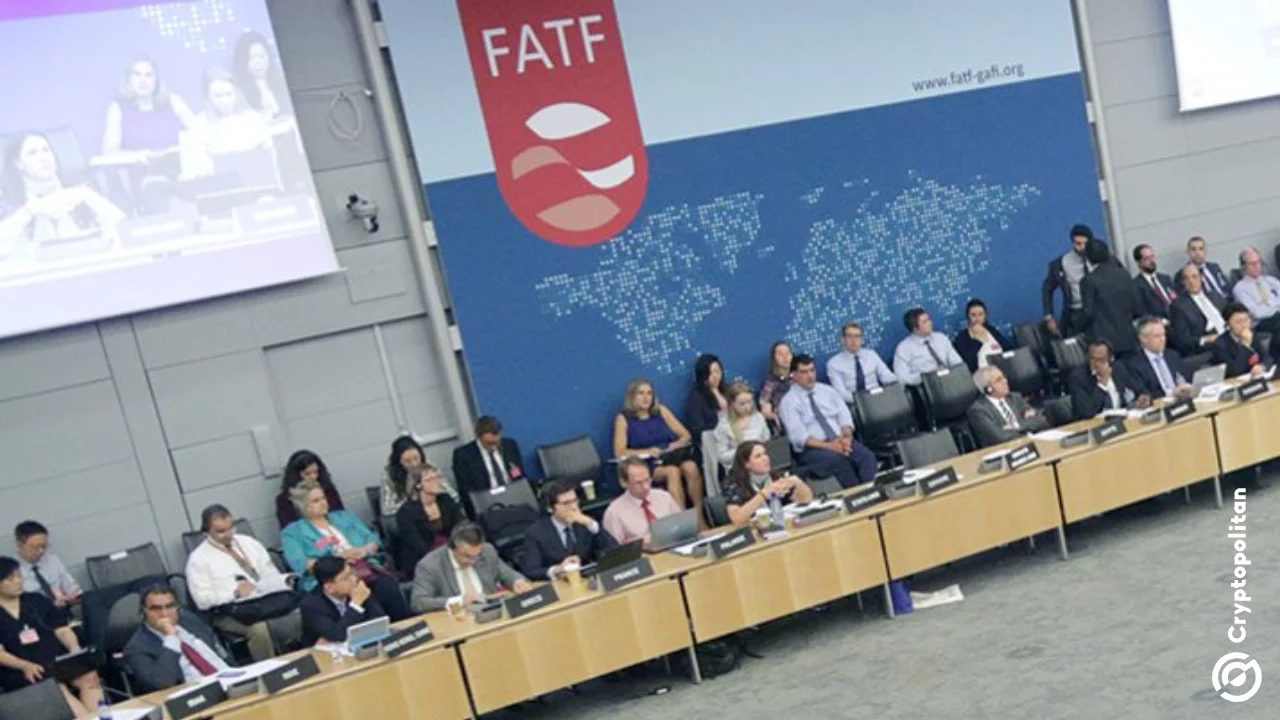
The Financial Action Task Force (FATF) said in a report published today that virtual assets are used to launder money for scam compounds in Southeast Asia.
The report suggests that governments should fight scam and fraudulent activities by going after the criminal networks behind the compounds.
How do scam compounds use crypto to move dirty money?
FATF is a Paris-based group that writes the world’s rules against money laundering. Its new report looks at how scam money is made and laundered.
The report explains that time is the biggest problem for victims. Stolen money can leave an account and reach an exit point in as little as two to five minutes. Victims, on average, do not notice the theft for about 20 hours.
Fast payment systems help criminals move money this way too.
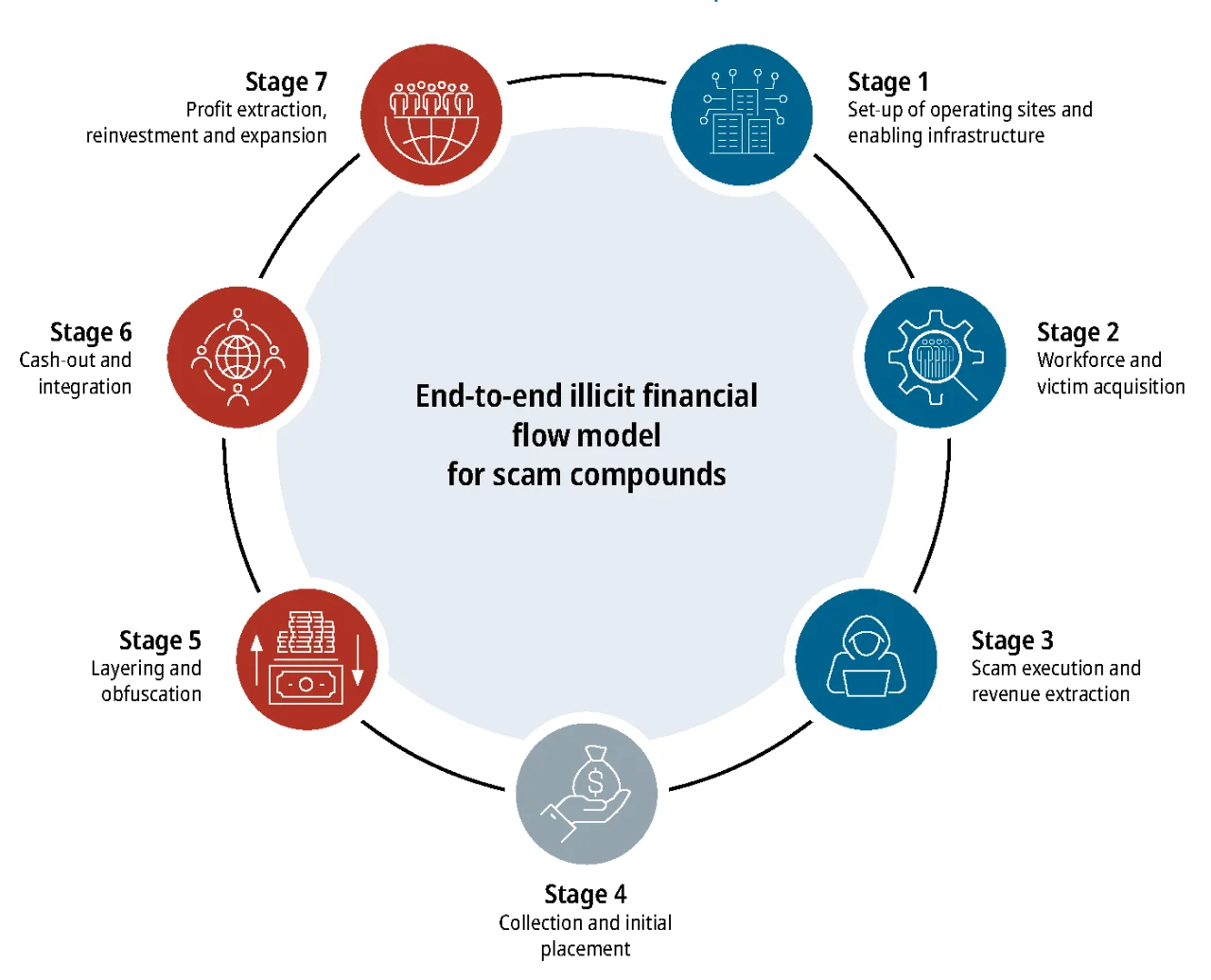
The report states that the laundering process is split into seven stages, and it starts with social media. Fraudsters use messaging apps and social accounts to set up operations, hire workers, and find victims. Then the scam is carried out during the “payment window.”
Prior to the report, the FATF released its seventh update on virtual assets. That update found that most of the illegal activity tracked on blockchains now goes through stablecoins.
A Cambodia-based group that laundered at least $4 billion between 2021 and 2025, for both fraud schemes and North Korean cyber theft, is mentioned in the update. That group is Huione Group.
The group’s platform has been referred to as the largest illegal online marketplace ever recorded, with linked wallets receiving at least $24 billion.
In 2025, the US Treasury’s FinCEN moved to cut Huione off from the American financial system. It flagged Huione’s “unfreezable” USDH stablecoin, which was built to avoid the freeze tools most issuers have.
What does the FATF suggest governments do?
The task force suggests that countries should disrupt illegal money flows from start to finish. Banks, phone companies and tech firms should share information with one another. Authorities should also act within the first 24 to 72 hours after a scam is found, when funds can still be frozen.
FATF President Giles Thomson said that criminals are now “weaponising AI and other technologies” to run their scam operations, and so in turn the government and authorities need to “urgently modernise and accelerate our response.”
People from at least 80 jurisdictions have been traced to scam compounds in Southeast Asia, and many of them are trafficking victims. The report says an estimated 120,000 people are forced to run online scams in Myanmar alone.
This story was originally published by Cryptopolitan. Read the original article.