Russian exchanges can now trade crypto but the market isn’t ready
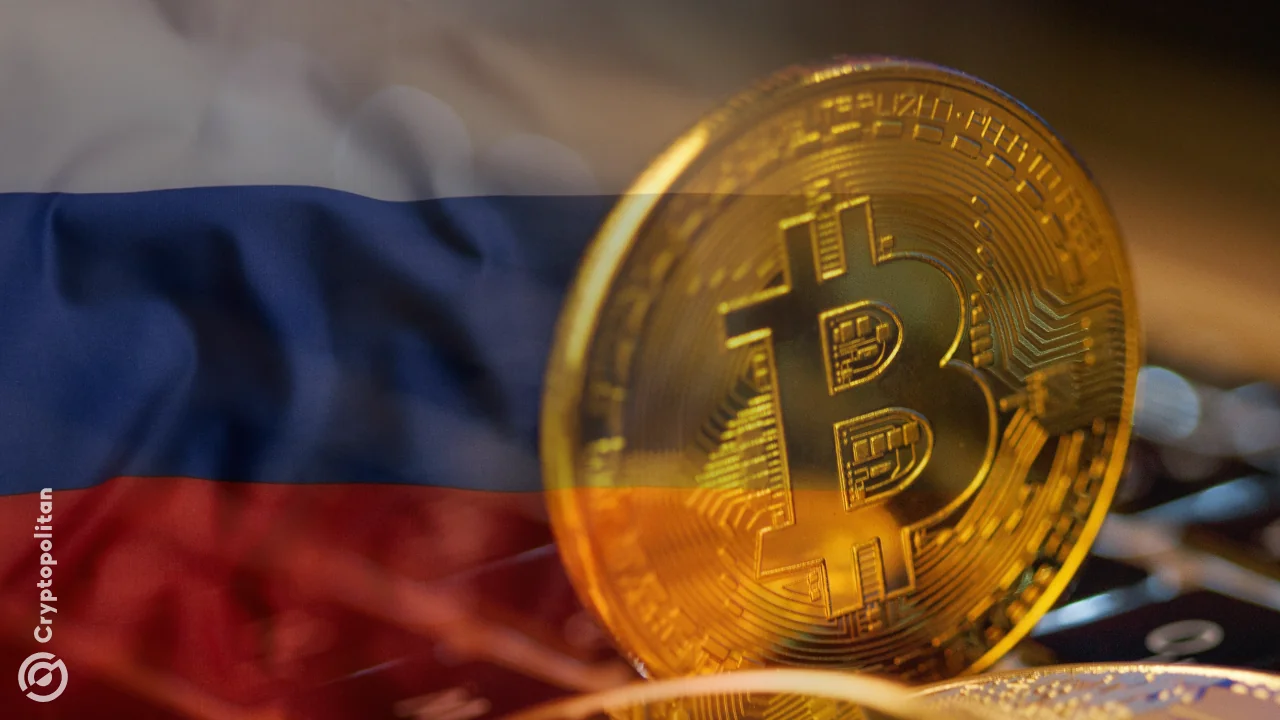
Licensed Russian cryptocurrency exchanges are now free to commence operations, provided their trading rules have been approved by the central bank in Moscow.
The monetary authority’s directive opening the door for regulated exchange of digital assets in Russia has entered into force, but many market players aren’t ready to join yet.
Russia allows coin trading to begin November 22
Starting Sunday, authorized platforms are now permitted to launch crypto trading, if their procedures are already coordinated with Russia’s main financial regulator.
Directive No. 7438-U of the Central Bank of Russia (CBR), which establishes the specific requirements for organized exchange of digital coins in the country, has come into effect.
The document, published earlier in November, obliges exchanges to register all participants in the recently regulated activity, such as brokers, trust managers, and central counterparties.
They are expected to closely monitor operations on their platforms, register and keep records of all orders and transactions, the official TASS news agency highlighted in a report on the development.
Exchanges will calculate current price, volume-weighted average price, market price, and closing price for each cryptocurrency listed.
The trading data they collect must be submitted to the monetary authority in accordance with the same rules that apply to other asset classes.
Russia regulated crypto-related activities like investment and trading with the law “On digital currencies and digital rights,” adopted and enforced earlier this year.
The legislation introduces a licensing regime for crypto exchanges and custodians, or “digital depositories,” which are among the few entities allowed to store coins and process transactions.
To be legal, all transfers must be carried out through licensed intermediaries and “non-qualified” investors may only buy up to 300,000 rubles’ worth of digital assets a year per one ($3,700).
With another directive, which entered into force on November 17, the CBR allowed ordinary Russians to acquire the three most liquid cryptocurrencies – Bitcoin (BTC), Ethereum (ETH) and the U.S. dollar-pegged Tether (USDT).
By that time, the regulator had already registered nearly 30 companies and institutions as providers of crypto trading services, as previously reported by Cryptopolitan, including some of the country’s largest banks and exchanges.
Russia’s regulated crypto market needs more time to launch
While big players, like the majority state-owned Sberbank and the Moscow Exchange, already announced plans to start trading cryptocurrencies on December 1, others need more time to prepare.
St. Petersburg’s SPB exchange, Russia’s second-largest stock trading venue, which is currently conducting trials, indicated it will be able to open its platform for the three leading coins by the end of this year.
Quoted by the Russian edition of Forbes, its CEO Evgeny Serdyukov said that while some trades may take place in 2026, most market participants won’t be offering “industrial-scale” services until next year.
A major hurdle is the lack of testing standards for potential investors. Both retail and professional investors must pass a test to determine their awareness of the risks before being admitted to the space.
Earlier in November, Bank of Russia’s Deputy Governor Philipp Gabunia told reporters the regulator expected to finalize the requirements and procedures for granting investor access by December 1, pointing out that the CBR anticipates trading to begin after that date.
The state-controlled VTB and T-Bank, the biggest private Russian bank, told TASS they are ready to offer their clients options to buy and sell crypto as soon as all remaining regulations are in place.
Meanwhile, representatives of several brokers, including T-Bank’s own T-Investments brokerage, made it clear this week they do not intend to host crypto trading operations by 2027, as per a report by the business news outlet RBC.
Under pressure from sanctions in the fiat world, Russia softened its previously conservative stance on crypto over the course of the past couple of years, and officials in Moscow now claim it’s building its own infrastructure. Critics say the new rules are so strict they leave little room for independent players.
Some experts believe legalization may generate significant capital inflow, with the domestic market for cryptocurrencies potentially reaching 1 trillion rubles (over $12 billion) in the future, according to an article by the daily Izvestia.
However, a new report by the blockchain forensics firm Chainalysis revealed that the size of Russia’s all-in crypto economy has shrunk significantly, by 14.7%, in the year before June 2026. Since then, a number of foreign crypto platforms have exited the Russian market, mostly citing regulations.
This story was originally published by Cryptopolitan. Read the original article.