Singapore Police Warn Crypto Users After Ledger Wallet Thefts

- Singapore police say victims lost about S$3.5 million in two cases involving tampered Ledger hardware wallets bought at local stores.
- The devices contained hidden hardware that could capture users’ recovery phrases or private keys.
- Ledger suspended sales in seven markets, including Singapore and Hong Kong, on October 13.
- Blockchain analysts estimate total losses tied to compromised wallets at more than US$86 million, a figure Ledger has not confirmed.
- Police urge crypto users to follow official advisories and never share their seed phrases.
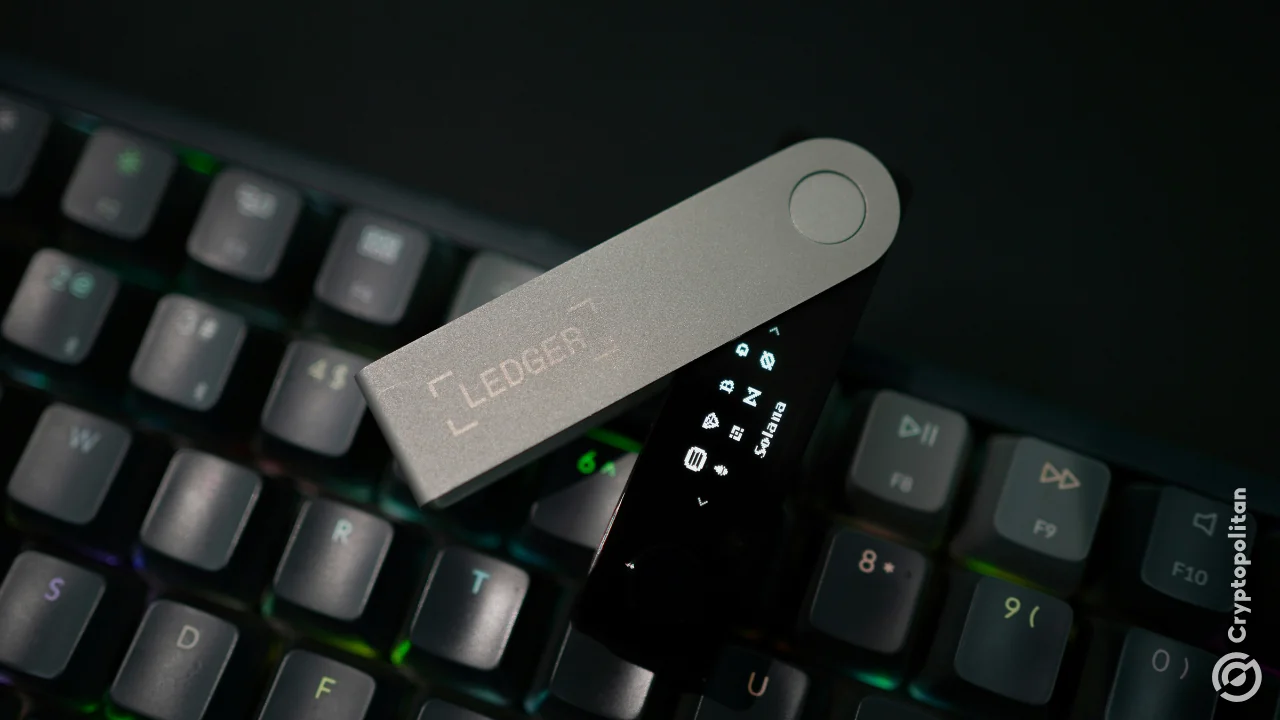
Cryptocurrency users in Singapore have lost about S$3.5 million after buying tampered Ledger hardware wallets from local stores.
The Singapore Police Force shared the figure in an advisory on October 28. Police said two cases involving the Paris-based company’s devices have been reported since September 10.
A hardware wallet is a physical device that stores private keys offline. It is meant to be safer than keeping keys online, where they can be hacked.
Hidden Parts Found Inside Ledger Devices
Early investigations found that some Ledger wallets sold at certain Singapore retail stores contained malicious hardware. Police said these parts could capture users’ recovery phrases or private keys.
With that information, attackers could access victims’ crypto wallets. They could then move funds without the owners knowing or agreeing.
Police said they are in contact with Ledger, which is reviewing the affected cases.
According to The Straits Times, one compromised device was sold at Metapod at Changi Airport. Another was reportedly bought from a Challenger outlet at VivoCity.
The cases follow an earlier Ledger probe into devices sold through CryptoBilis, a reseller in Southeast Asia. Ledger confirmed a hidden hardware implant in one wallet on October 10.
Ledger’s Donjon security team found the implant could capture the 24-word recovery phrase shown during setup. It then sent that data to an attacker over an LTE cellular connection.
The company said the part worked separately from the Secure Element, the chip that protects private keys. Ledger said its own systems and direct sales channels were not involved.
Singapore Police Say Ledger crypto Wallets Sold at Local Retailers Contained Malicious Hardware Implants
Singapore police said on October 28 that some Ledger cryptocurrency hardware wallets purchased from local retailers contained malicious hardware implants capable of stealing… pic.twitter.com/RckYdTzFMq
— Wu Blockchain (@WuBlockchain) October 29, 2026
Ledger Halts Sales Across Southeast Asia
On October 13, Ledger asked resellers and distributors to stop selling and shipping its wallets in Singapore, Malaysia, Indonesia, Thailand, the Philippines, Vietnam and Hong Kong.
The company told people who bought devices from CryptoBilis in the past 90 days not to set up unused wallets. Those who had already used them were encouraged to move funds to a new wallet with a new recovery phrase.
Blockchain analysts have estimated losses tied to the compromised wallets at more than US$86 million. Ledger said it could not confirm the total or the number of people affected. The Singapore police figure covers only local cases.
The problem has also reached Europe. On October 13, German retailer MediaMarktSaturn paused Ledger sales after a customer found an unauthorized part inside a device. Ledger said no funds were lost in that case.
On October 26, rival wallet maker Keystone disclosed a separate breach that exposed data from 25,964 customers. Keystone said recovery phrases and private keys were safe, but it destroyed 18,835 wallets and paused shipments.
Singapore police said their investigations are ongoing. They urged crypto users to follow official advisories from wallet makers and to never share private keys, recovery phrases or seed phrases.
Anyone with information can call the police hotline at 1800-255-0000 or submit details online at www.police.gov.sg/i-witness.
This story was originally published by Blockonomi. Read the original article.