Winklevoss Twins Call on Zcash to Scrap $125 Million Grants Committee
- Cameron and Tyler Winklevoss want Zcash to shut down its community grants committee and give ZEC holders direct control over funding.
- Tyler Winklevoss called the committee a “slush fund with no accountability.”
- Zcash cofounder Sean Bowe valued the committee’s treasury at more than $125 million and proposed redirecting its 8% share of block rewards.
- Some developers defend the grants program as a fair way to fund work that helps the network.
- No funding changes have been approved, and Bowe’s proposal would need a future network upgrade.
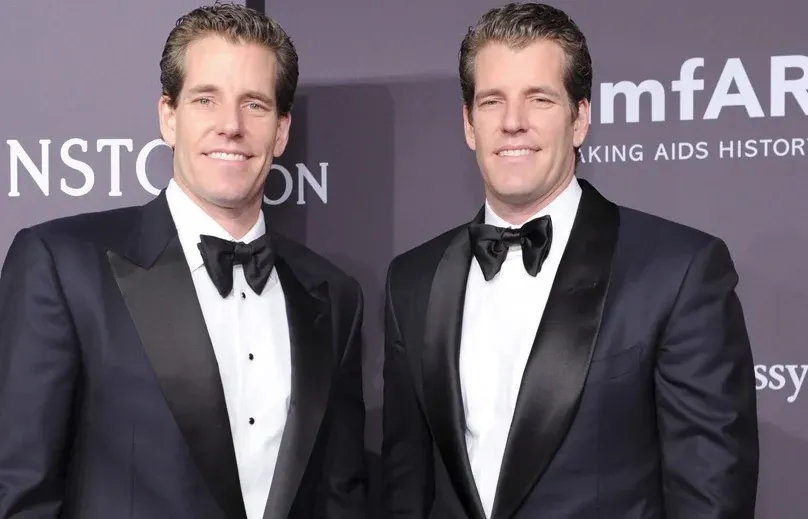
Gemini founders Cameron and Tyler Winklevoss have called for Zcash to shut down its community grants committee. They want ZEC holders to have direct control over how development money is spent.
The push comes as debate grows over the committee’s treasury. Zcash cofounder Sean Bowe recently valued it at more than $125 million.
Winklevoss Twins Question Grants Committee Accountability
In an October 30 post on X, Cameron Winklevoss said Zcash does not need to invent a new governance system. He said stakeholder voting has been used in capital markets for centuries, and coinholder voting is the blockchain version of it.
Zcash doesn’t need to re-invent the governance wheel. Stakeholder voting has worked in capital markets for centuries. Coinholder voting is just the onchain form-factor.
Experimenting in governance is not part of the Zcash mission. Its mission is privacy.
It’s time to end ZCG…
— Cameron Winklevoss (@cameron) October 30, 2026
“Experimenting in governance is not part of the Zcash mission. Its mission is privacy,” he wrote. He then called for Zcash Community Grants, known as ZCG, to be discontinued.
His brother Tyler made similar arguments the same day. He said miners risk their own capital and computing power to earn rewards, while committee members face no such risk when funded projects fail.
Tyler called the committee a “slush fund with no accountability.” He said its structure encourages poor spending and conflicts of interest, and that Zcash could run without it.
Community Members Defend Development Funding
Not everyone agrees with the twins. Developer Vini Barbosa argued that community grants are a fair way to pay for work that helps the network, much like mining rewards pay for securing it.
Tyler rejected that comparison. He said mining rewards come from measurable competition, while grants depend on decisions made by a committee.
The debate follows criticism of a $550,000 outreach proposal that ZCG approved in August. The ZECsy project planned appearances at adult industry conventions, crypto conferences and workshops for people facing banking restrictions.
The committee approved about $461,500 for the project’s first nine monthly milestones. Supporters said it could reach people who need financial privacy, while critics questioned whether it would lead to lasting adoption.
Tyler also said governance debates should not stay mainly on Zcash forums. He argued X offers a more open space and that people should not be blocked for questioning current arrangements.
Zcash doesn’t need to re-invent the governance wheel. Stakeholder voting has worked in capital markets for centuries. Coinholder voting is just the onchain form-factor.
Experimenting in governance is not part of the Zcash mission. Its mission is privacy.
It’s time to end ZCG…
— Cameron Winklevoss (@cameron) October 30, 2026
Under the current setup, 20% of Zcash block rewards fund ecosystem development. ZCG receives 8%, and the Coinholder-Directed Retroactive Grants Program receives the other 12%.
In September, ZEC holders approved $8.39 million in retroactive funding for 17 of 37 proposals. About 2.18 million ZEC took part, or 10.4% of the 21 million maximum supply.
An October 27 report cited Grayscale research crediting Zcash’s funding model with supporting privacy and security upgrades over the past decade. Grayscale research head Zach Pandl named quantum computing, transaction capacity and cybersecurity as areas needing more investment.
Also on October 27, Bowe proposed moving ZCG’s 8% share of block subsidies to the Network Sustainability Mechanism. Existing grant commitments would be honored first, and the coinholder program would keep its 12%.
No change to ZCG’s funding has been approved. Bowe’s proposal would need a future network upgrade to take effect.
The coinholder program’s next round accepts proposals from October 30 through November 13. Voting is set for December 17 to December 29.
This story was originally published by Blockonomi. Read the original article.