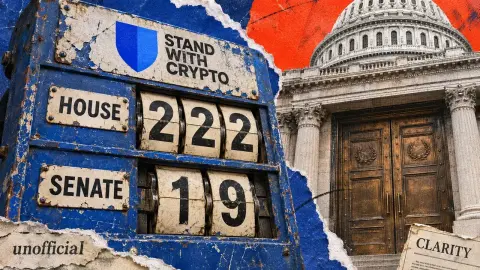
Democrats eye crypto market structure bill with wider SEC role
TLDR:
- The crypto market structure bill under discussion could combine Waters’ consumer safeguards with provisions developed during earlier Senate negotiations.
- Democrats are considering a larger SEC supervisory role and a narrower CFTC remit, but the reported talks leave jurisdictional details unresolved.
- Further ethics provisions could restrict crypto activities by President Donald Trump and other federal officials, according to Eleanor Terrett.
- The September Senate vote failed 49–50, blocking consideration of the CLARITY Act without delivering a final vote on passage of the legislation.
House Democrats are discussing a crypto market structure bill that could give federal regulators a different balance of power. Journalist Eleanor Terrett reported the talks on November 4, citing three industry sources who had spoken with Democratic staffers.
The plan would expand Representative Maxine Waters’ Crypto Investor and Consumer Bill of Rights, a 2025 CLARITY Act amendment. Discussions include stronger Securities and Exchange Commission oversight and ethics restrictions for President Donald Trump and other federal officials. The report describes preliminary discussions for the next Congress. Terrett did not include draft legislative language or a confirmed introduction date in her account.
Crypto Market Structure Bill Could Revive Waters Proposals
The crypto market structure bill could combine House Democratic proposals with provisions negotiated across party lines in the Senate. Those Senate discussions preceded the September vote that blocked further consideration of the CLARITY Act.
🚨SCOOP: House Democrats are discussing plans to expand the Crypto Investor and Consumer Bill of Rights, @RepMaxineWaters’ amendment to the Clarity Act in 2025, into a broader crypto “market structure” bill next Congress.
The proposal would fold in Democratic Clarity Act…
— Eleanor Terrett (@EleanorTerrett) November 4, 2026
In 2025, Waters sought customer protections covering withdrawals, asset custody, and exchange conduct. Her amendment proposed continuous customer support, insurance or coverage resembling securities investor protection, and monthly reserve attestations from auditors. Customers would also have access to withdrawals within 24 hours under the earlier proposed protections.
It also called for rules against trading ahead of customer orders and custody arrangements protecting client assets during bankruptcy. The proposal sought funding for the SEC and CFTC.
House records show a motion to allow consideration of the amendment failed by eight votes to four. That procedural defeat kept the protections from receiving consideration through that amendment.
A crypto market structure bill would need a fresh introduction in the next Congress. Unfinished legislation does not carry over between Congresses, even when lawmakers have already negotiated parts of its text. Sponsors can reuse those provisions, but the measure would still have to move through the legislative process.
Ethics restrictions have a separate legislative history. Waters introduced the Stop TRUMP in Crypto Act in May 2025 alongside committee Democrats. It targeted crypto business roles, promotional activities and trading involving material nonpublic information.
That earlier measure covered the president, vice president, members of Congress and their immediate families. Terrett reported that further restrictions on federal officials were likely, without specifying their scope.
Whether the crypto market structure bill adopts those earlier safeguards will depend on its eventual language. The current discussions do not settle which businesses or assets would face new requirements.
SEC and CFTC Oversight Faces Renewed Debate After Elections
The proposed crypto market structure bill could expand SEC supervision and limit the Commodity Futures Trading Commission’s role. Terrett reported that Republicans were describing the effort as a messaging bill.
The Senate failed to advance the CLARITY Act on September 15. Its official roll call recorded 49 votes supporting cloture and 50 opposing it, below the required three-fifths threshold.
The vote concerned opening consideration of the legislation. It did not constitute a final vote on whether to pass the bill.
Democrats gained control of both congressional chambers in the November 3 elections, Reuters reported. Their incoming majorities could give them greater influence over hearings, committee priorities and legislative scheduling.
Passing a crypto market structure bill would still require agreement between the chambers and action by the president. Trump retains the authority to veto legislation, creating a further hurdle for proposals targeting officials’ financial activities.
Separately, SEC staff revised crypto guidance on November 2. The update addressed network governance and circumstances indicating central control. It distinguished a functioning blockchain system from one meeting the relevant decentralization criteria.
The agency said these answers reflect staff views and carry no legal force. The Commission neither approved nor disapproved them, and the guidance creates no additional obligations.
This story was originally published by Blockonomi. Read the original article.