If a Crypto Casino Gets Hacked, What Happens to Your Account?
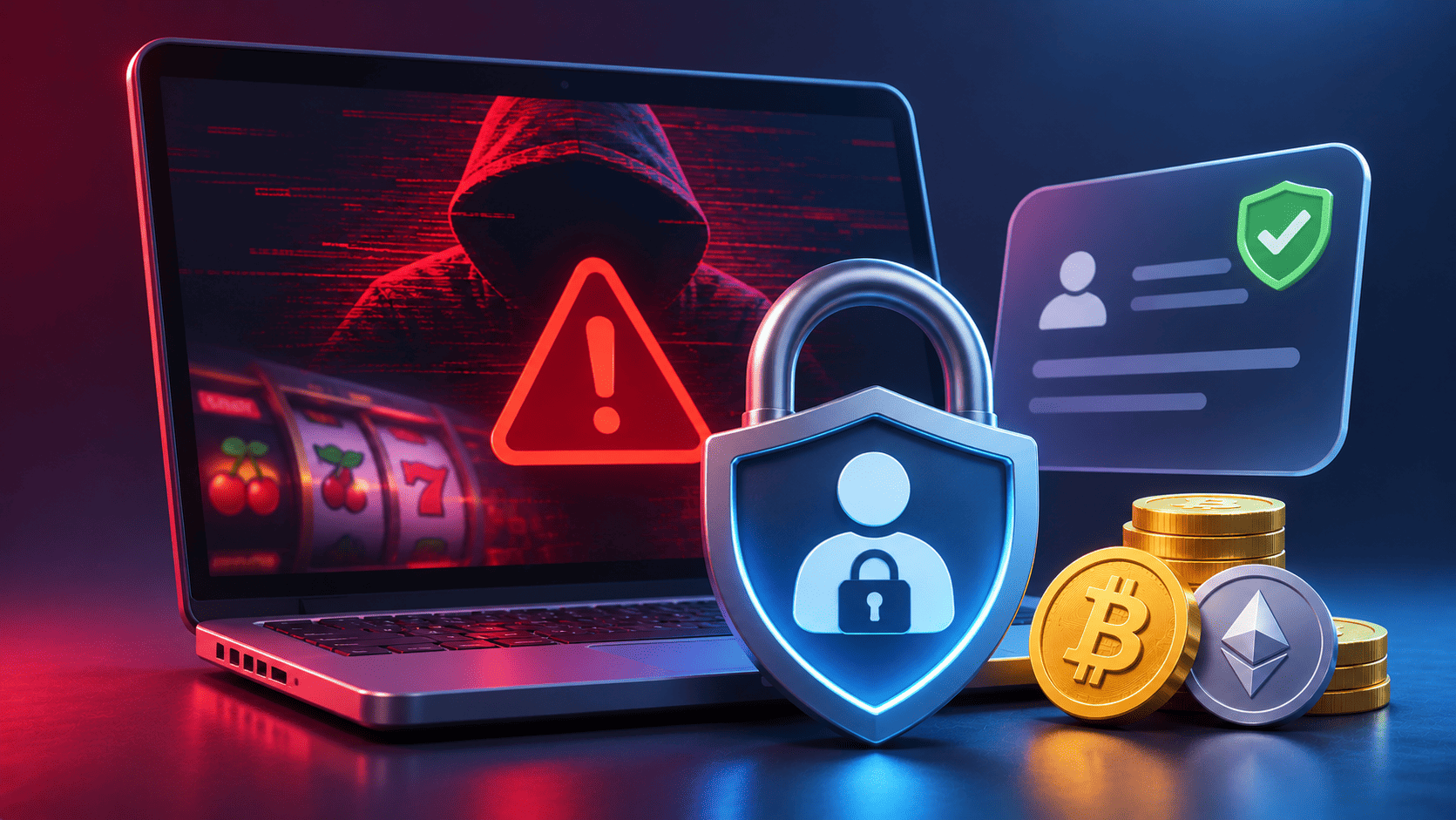
Crypto platforms remain a prime target for hackers. When attackers breach a casino's hot wallet or systems, players want to know two things at once, whether their balance is safe and who covers the loss.
The answer depends on how the casino holds funds, what its terms say and how it responds in the hours after an attack.
Here is what usually happens to player accounts after a crypto casino hack, which protections matter most and what players can do before and after an incident.
Hack Outcomes for Players
Breaches hit players in different ways, and the table outlines the common outcomes.
Scenario
What players may see
Who usually bears the loss
Hot wallet breach
Withdrawals paused, balances frozen
The operator, if reserves cover it
Account takeover
Unauthorised withdrawals from one account
Often the player, depending on terms
Data breach
Emails or personal details leaked
The player faces phishing risk
Player wallet drained
Funds lost from the player's own wallet
The player
Last verified: November 2026
Theft across crypto reached more than 3.4 billion US dollars in 2025, according to Chainalysis, with a single exchange breach accounting for about 44% of the total.
Custody Shapes the Risk
Casinos that hold player balances in their own wallets bear the exposure when attackers break into those wallets. Players then depend on the operator's reserves and willingness to cover losses.
Non-custodial setups change the picture, since players keep control of their own wallets until they deposit. Even so, non-custodial betting covers some risks and leaves others with the player.
Personal Wallets Are a Target
Attacks on individual wallets have risen. Chainalysis counted 158,000 personal wallet compromises in 2025, and losses from service breaches concentrated in fewer but larger incidents.
What to Do Before and After
Keep only a playing balance on any platform, use unique passwords and two-factor protection on email accounts, and store seed phrases offline. Self-custody basics, covered in a guide to self-custody gambling, reduce exposure.
After a reported breach, avoid clicking links in emails about the incident, check the casino's official channels and change any reused passwords. Custody models differ widely, as a review of casino custody and licensing shows.
Dexsport's Account and Fund Rules
Dexsport lets players sign in with six wallets, including MetaMask and WalletConnect, so wallet keys stay with the player. Deposits go into a shared liquidity pool, and Dexsport's terms state that a player profile is not a savings or payment account.
Investigations can suspend account operations at Dexsport for up to 14 business days, and complaints go to [email protected] before negotiation and London arbitration. Dexapp LTD holds the platform's Anjouan licence.
Conclusion
Crypto casino hacks can freeze balances, expose personal data or drain individual accounts, and the outcome depends on custody, reserves and the terms. Theft across crypto passed 3.4 billion US dollars in 2025.
Players reduce risk by keeping small balances, protecting email accounts and storing seed phrases offline. Dexsport offers wallet sign-in through six wallets and states in its terms how deposits, the liquidity pool and investigations work.
Read the custody and fund terms before you deposit. Gambling law varies by country, so check yours, play only at legal age and keep in mind that KYC or AML checks may apply.
This story was originally published by CryptoDaily. Read the original article.