Fidelity Moves $435 Million In Bitcoin To New Wallets — What Is Happening Behind The Scenes?

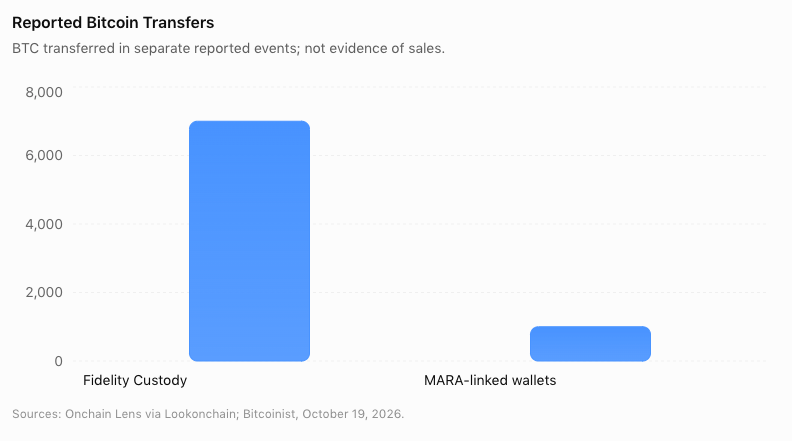
A massive Bitcoin transfer linked to Fidelity Custody has attracted attention across the cryptocurrency market after blockchain monitoring service Onchain Lens reported that approximately 7,000 BTC, worth $435 million, moved into multiple newly created wallets.
The development comes as institutional Bitcoin adoption continues expanding across traditional financial markets, raising an important question: are institutional investors preparing to sell, or are these movements simply part of routine custody operations?
According to the initial monitoring report, the transferred Bitcoin remained in its receiving wallets, with no further outgoing transactions observed.
That detail could be more important than the $435 million figure itself.
Fidelity Transfers 7,000 BTC Into Newly Created Wallets
According to on-chain monitoring information attributed to Onchain Lens, Fidelity Custody transferred approximately 7,000 BTC to several newly created Bitcoin addresses over roughly one hour.
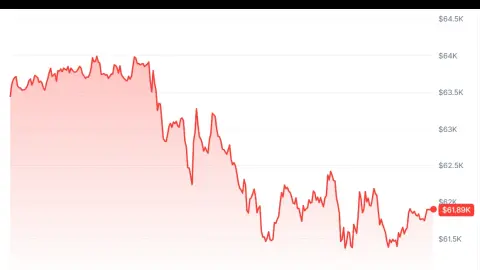
The reported valuation places the Bitcoin at approximately $62,143 per coin.
Although transactions of this size naturally attract market attention, the movement does not establish that Fidelity or its customers are selling their holdings.
Large institutional custodians regularly transfer cryptocurrencies between addresses for operational reasons, including wallet management, security arrangements, and client asset segregation.
More importantly, the initial monitoring reports did not identify subsequent transfers from the receiving addresses.
This suggests that the Bitcoin was not immediately forwarded to another publicly identified destination, although the ultimate ownership and purpose of the movement remain unconfirmed.
Why The Destination Wallets Matter More Than The Transfer
When hundreds of millions of dollars in Bitcoin move between addresses, investors often assume that a major market transaction is approaching.
However, the destination of those assets provides a more useful indication of potential market implications.
As Bitcoinist previously explained when MARA-linked wallets transferred 1,000 BTC, even transfers into cryptocurrency exchanges do not necessarily confirm that Bitcoin has been sold.
In Fidelity’s case, the reported funds moved into newly created wallets rather than publicly identified exchange deposit addresses.
That distinction matters.
Transfers into private wallets can be consistent with internal custody restructuring, long-term storage arrangements, or movements initiated by institutional clients.
Meanwhile, exchange-bound transfers may increase the likelihood that assets become available for trading, although additional evidence is necessary to establish whether a sale actually occurs.
For now, the reported Fidelity movement provides no confirmed evidence of immediate selling pressure.
Institutional Bitcoin Activity Continues Expanding
The transfer comes at an interesting moment for Bitcoin’s institutional market.
Traditional financial institutions are increasingly participating in the cryptocurrency ecosystem through regulated investment products and custody infrastructure.
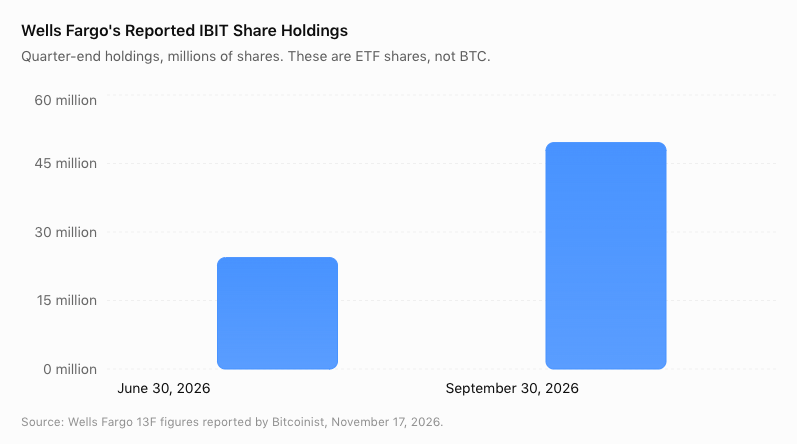
Earlier this month, Bitcoinist reported that Jane Street nearly doubled its Bitcoin ETF holdings during the third quarter, with substantial changes in its exposure to Fidelity’s Wise Origin Bitcoin Fund.
The development illustrates how institutional participation extends beyond direct Bitcoin purchases.
Large financial institutions now manage cryptocurrency exposure through exchange-traded funds, custody arrangements, brokerage accounts, and other investment structures.
As these services expand, substantial on-chain transfers may become increasingly common.
However, the distinction between assets held in custody and assets owned by the custodian remains essential.
The reported 7,000 BTC transfer should not automatically be interpreted as a change in Fidelity’s own investment position.
What Happens Next For Bitcoin?
The next movements from the newly created wallets could provide important clues about the transaction’s purpose.
If the receiving addresses remain inactive, the transfers may ultimately prove consistent with custody management rather than immediate market distribution.
Conversely, subsequent deposits into identified trading venues could warrant closer examination.
Even then, blockchain transfers alone would not confirm that the Bitcoin had been sold.
We believe the broader takeaway is that institutional Bitcoin activity continues attracting significant attention, particularly during periods of market volatility.
For investors, separating actual selling activity from routine wallet transfers remains essential.
The reported $435 million movement is certainly significant, but its implications cannot be determined from the transfer amount alone.
The real story may emerge from what happens to those 7,000 BTC next.
This story was originally published by Bitcoinist. Read the original article.