Trump Blames Midterms for Falling Stocks, Then Touts Post-Election Oil Drop
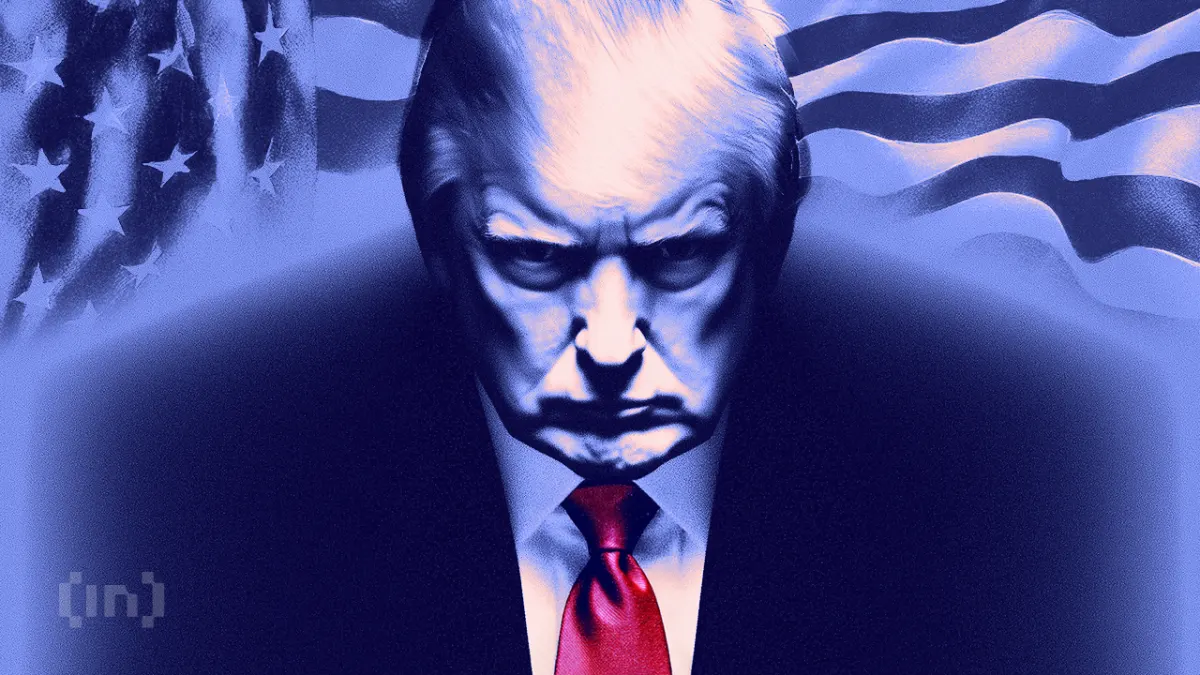
President Donald Trump blamed Democrats’ midterm win for a stock slide that cut the S&P 500 8.7% since Election Day. He also touted what he called a record oil drop after the same vote.
The S&P 500 sat roughly level with its Election Day close as late as November 13. A selloff since then has put US equity holders in correction territory, more than 10% below the October 6 record.
Did the Midterms Move the Stock Market, as Trump Says?
Wall Street rallied the day after the vote, with the Dow Jones Industrial Average adding 1,570 points.
The S&P 500 closed at 7,568.92 on Election Day. It then lost 651.28 points in the week to November 20, ending at 6,910.39.
However, the selloff came later and centered on technology stocks. The 8.6% weekly loss was the S&P 500’s worst since April 2025, CNBC reported.
That put the index in a correction, a drop of 10% or more from a record close.
Trump’s Sunday post said the decline confirmed his forecast.
“if the Democrats win, the Stock Markets would go down, substantially, which they have”
US President Donald Trump, in a post on Truth Social

Did the Election Drive the Oil Drop?
Meanwhile, oil fell more than 6% on November 2, the day before voting, as Iran peace hopes grew, Morningstar reported. That day, Trump attributed what he called a record oil drop to expectations of no war with Iran.
Brent then shed 16% in the week to November 6, its worst week since the pandemic’s start. Analysts pointed to surplus fears and Trump’s signals of restraint on Iran.
His Sunday post, however, placed the oil decline after the election.
“since the Election, the Oil price has dropped by a record level”
US President Donald Trump, in a post on Truth Social
Trump also said Iran launched more drones and missiles last week than at any time in over a year. He said all were intercepted.
Still, renewed fighting could reverse the oil decline, while a deeper artificial intelligence (AI) selloff could pressure equities.
This story was originally published by BeInCrypto. Read the original article.